by Steve Donnigan | Oct 28, 2026 | Design & Development, Engineering Leadership & Outsourcing, Medical Device
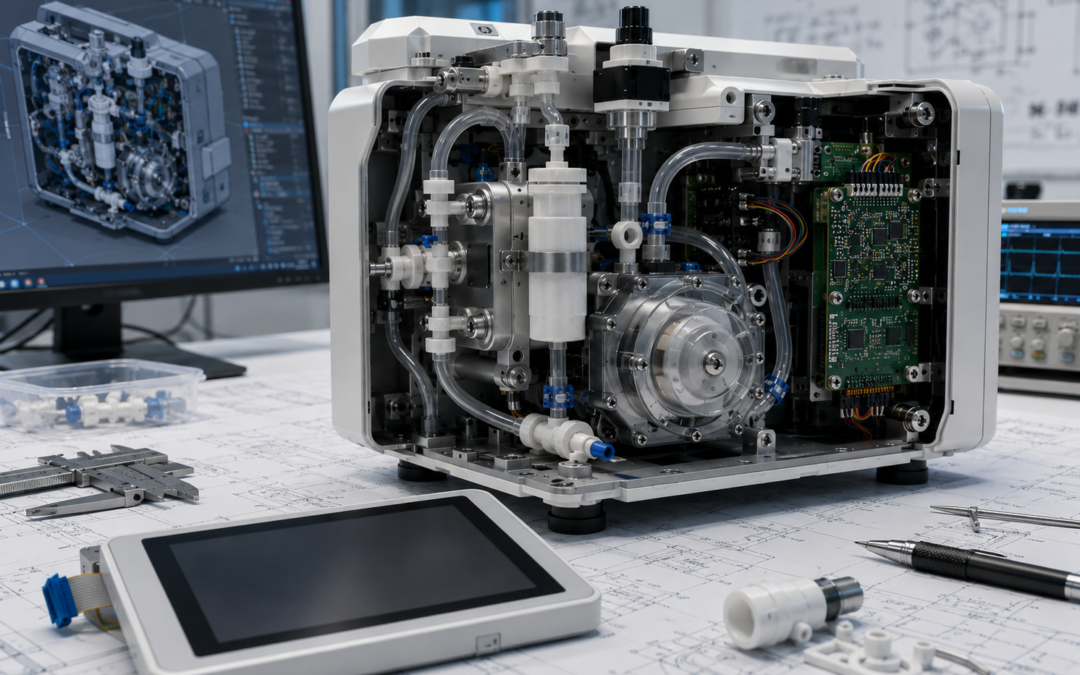
Almost any reasonable computer-aided design (CAD) structure can get a development team through its first prototype. However, the real test comes later. Requirements change. Suppliers introduce new components. Interfaces move. Product variants appear. Meanwhile, more...
by Steve Donnigan | Oct 21, 2026 | Design & Development, Engineering Leadership & Outsourcing, Medical Device
Mechanical architecture decisions are usually driven by familiar priorities: performance, packaging, cost, manufacturability, assembly, reliability, and interfaces. Verification comes later, once the design is mature enough for teams to define detailed protocols and...
by Steve Donnigan | Oct 13, 2026 | Design & Development, Engineering Leadership & Outsourcing, Medical Device
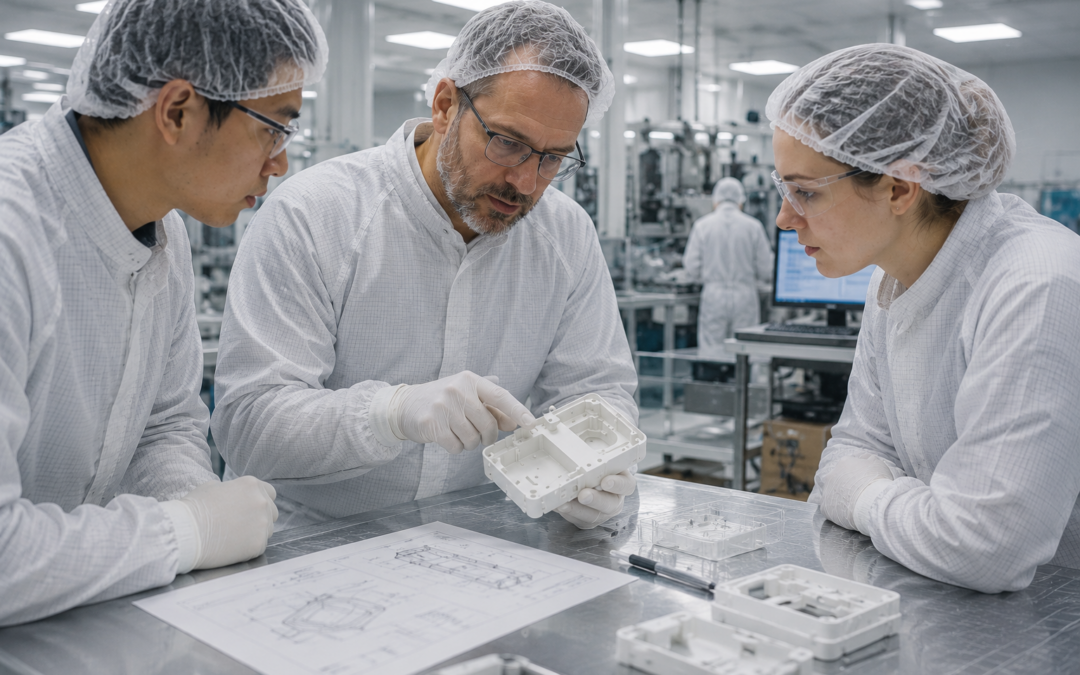
One of the biggest differences between early-career engineers and experienced product developers has very little to do with technical ability. It comes down to expectations. Young engineers naturally expect parts to look like the CAD model. Experienced engineers...
by Steve Donnigan | Sep 18, 2026 | Design & Development, Engineering Leadership & Outsourcing, Medical Device
Some development programs encounter expensive tooling changes, failed verification testing, supplier problems, regulatory delays, or manufacturing inefficiencies right when they’re almost at the finish line.. Many of the conditions that create those costs were...
by Steve Donnigan | Sep 10, 2026 | Design & Development, Medical Device
Drawings Alone Do Not Create Alignment Geometric Dimensioning and Tolerancing (GD&T) is often introduced as a drafting standard tied to manufacturing drawings. In many organizations, GD&T enters the conversation late in development, when drawings are nearing...
by Steve Donnigan | Mar 11, 2026 | Design & Development
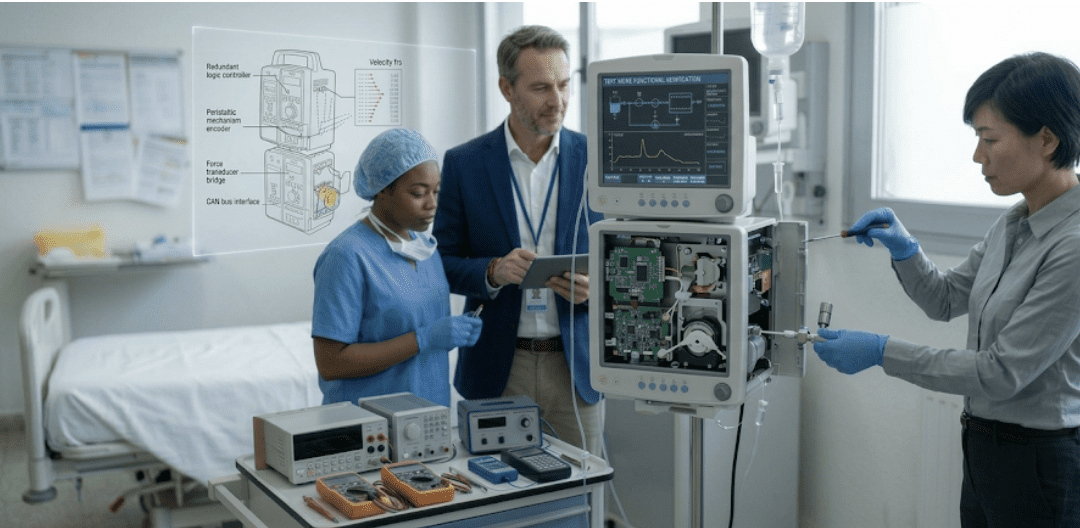
Most development teams believe they understand their users. Human factors activities are completed, documented, and validated. Yet use-related problems still emerge once devices enter real clinical environments. These failures are rarely random. They typically stem...